
Wimberley, TX
Home Loans in Wimberley, With Straight Answers
We help buyers and owners find the right home loan: conventional, FHA, VA and USDA purchases, refinances, HELOCs, bank statement loans for the self-employed, and short-term bridge and hard money loans for investors. Borrowers from Wimberley, San Marcos and Dripping Springs get clear numbers and a plain explanation of what drives them.
- 11 years in the mortgage industry
- Rate quotes by phone
- Meet in office or by video
- Costs explained line by line
Home Loans for Buyers, Owners and Investors
Most borrowers fit one of a few loan types, and the right one depends on your credit, your down payment and the property. We offer conventional loans, FHA loans, VA loans and USDA loans for purchases and refinances. If you already own and want to tap equity, a HELOC may fit. Self-employed borrowers can look at bank statement loans, and investors or movers buying before they sell can ask about hard money loans and bridge loans.

Conventional Loans
A conventional loan for buyers with steady income and fair credit, with plain talk on down payment, mortgage insurance and how your rate is set.
FHA Loans
FHA financing for buyers with modest savings or a bumpy credit history, with the mortgage insurance and monthly payment laid out before you decide.
VA Loans
VA purchase and refinance loans for eligible veterans, service members and surviving spouses, with clear answers on entitlement, the funding fee and appraisals.
USDA Loans
A zero-down home loan for buyers in eligible rural and small-town areas, with income limits and a property map we check before you shop.
HELOC
A home equity line of credit lets you borrow against the equity you have built, draw what you need and pay interest only on what you use.
Hard Money Loans
Short-term, asset-based financing for investors who need to buy, renovate and resell or refinance before a bank loan would fit.
Bank Statement Loans
For self-employed borrowers whose tax returns understate what they earn, we qualify you using 12 or 24 months of bank deposits instead.
Bridge Loans
Short-term financing that taps the equity in the property you own now so you can buy the next one before your sale closes.

A Mortgage Lender Close to Home
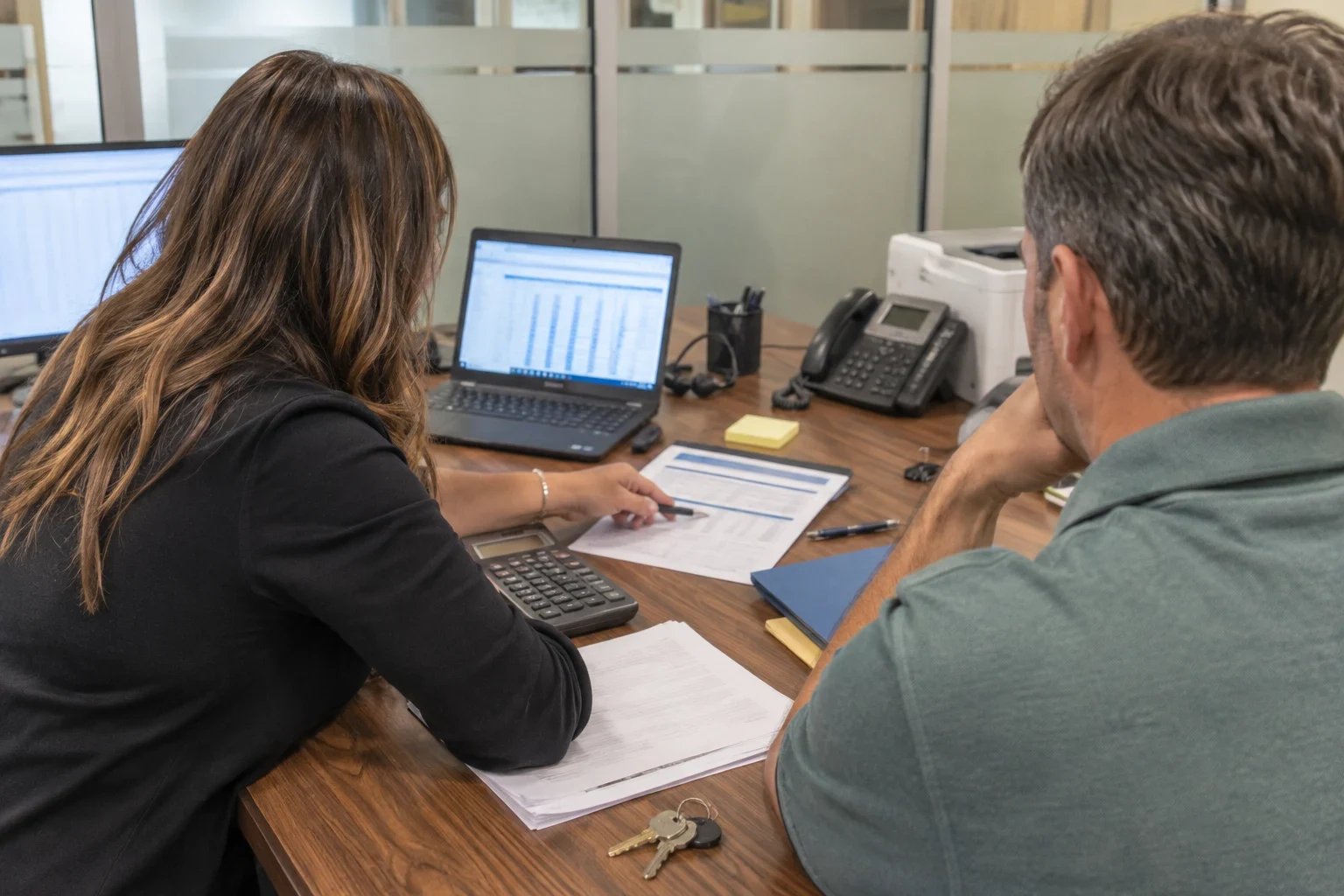
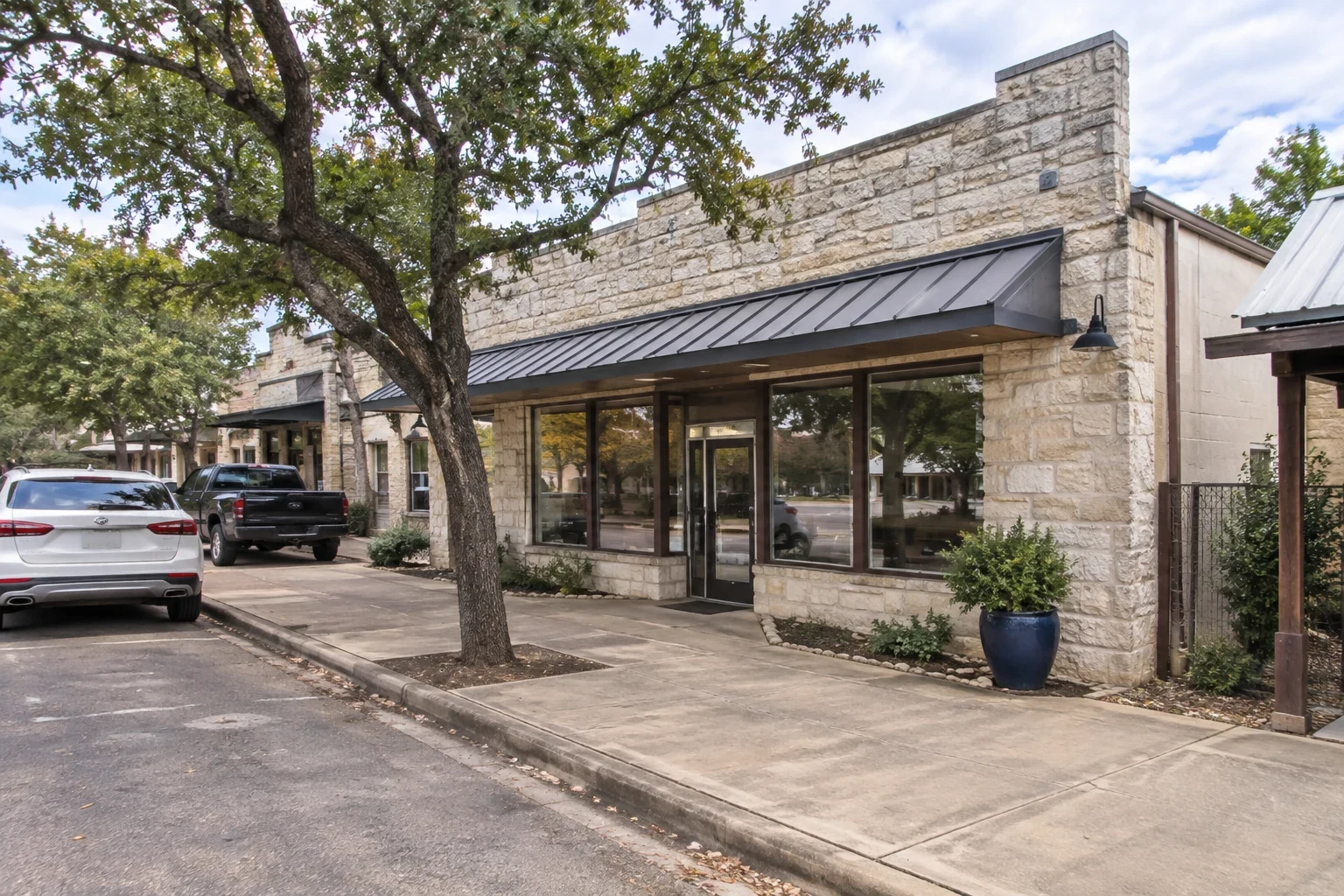
At Home Loans Wimberley, most of our days go to first-time buyers, veterans, self-employed borrowers and real estate investors. We also help people who already own a property and want a lower monthly payment or a way to use the equity they have built. Sit down with us at our office, or talk by phone or video if that fits your week better.
Our approach is simple. We tell you what you qualify for, what the loan will cost and the reason behind each number. When a loan is not a good idea for you yet, you hear that from us plainly, along with the steps that would change the answer.
- In business
- 11 years in the mortgage industry
How a Home Loan Works With Us
Getting from your first question to the keys takes five steps. At each one, you know what comes next.
- 1
Start with a rate quote
Share the basics of your purchase or refinance, your approximate credit and your down payment. We give you a realistic rate and payment range and point out which programs fit.
- 2
Get pre-qualified or pre-approved
Pre-qualification gives you a quick budget figure from the information you share. Pre-approval comes after we verify your credit, income and assets, which makes your offer stronger with sellers and agents.
- 3
Apply and send documents
You can complete the loan application with us by phone, video or at our office. We send a short, specific list of what we need, such as pay stubs, tax returns or bank statements, and we do not ask for extras.
- 4
Valuation and file review
An independent appraiser sets a value on the property while an underwriter checks your loan file. When they request more information, we explain the reason and help you get it back fast.
- 5
Closing
Your Closing Disclosure arrives before closing day so you can check it against your Loan Estimate. We go over it with you and answer any questions, then you sign and pick up the keys.
Why Borrowers Work With Us
A mortgage is a big decision, and you should understand every number before you sign. Here is how we work.
- Plain answers first
- Ask us why a rate is what it is and you get the reason, not a sales pitch. If a cheaper option exists for you, we say so.
- Every program side by side
- We can show the same purchase as a conventional, FHA, VA or USDA loan so you can compare payment, down payment and mortgage insurance in one sitting.
- Honest about fit
- Some borrowers are better off waiting a few months to raise a credit score or pay down a card. We will tell you when that is true, and what it would change.
- No pressure to lock
- We explain how rate locks work and how long yours lasts. You decide when to lock, with the tradeoffs laid out.
- One loan officer through closing
- You talk with the same person from your first rate quote to the closing table, by phone, video or at our office.
Where We Lend
We help borrowers buying, building equity and refinancing in Wimberley and across the surrounding area. That includes San Marcos, Kyle, Buda, Dripping Springs, Canyon Lake, Belterra and Redwood. Many of our appointments happen by phone or video, so distance is rarely a problem.
- Wimberley
- San Marcos
- Kyle
- Canyon Lake
- Buda
- Dripping Springs
- Belterra
- Redwood
If your property sits outside these towns, ask anyway. We can tell you on the first call whether we can help.
What Moves Your Rate and Closing Costs
Rates differ from one borrower to the next for reasons you can see ahead of time. A short list of factors does most of the work. On the first call we go through each one with you, so the quote makes sense before you commit to anything.
We build your rate quote from your own credit, income and property rather than a generic example. After you apply, you get an official Loan Estimate showing your rate, each fee and your cash to close.
- Credit score
- Stronger scores usually get better pricing, and pricing changes at set score thresholds. Raising your score a few points can sometimes put you in a lower-cost tier.
- Down payment and equity
- A larger down payment, or more equity on a refinance, means less risk for the lender and often better terms. With a conventional loan, less than 20 percent down usually means paying mortgage insurance.
- Loan program
- Pricing is not the same across conventional, FHA, VA and USDA loans, and some programs add a fee of their own, like the FHA mortgage insurance premium or the VA funding fee. Bank statement, bridge and hard money loans run higher because they cover situations standard loans cannot.
- Property type and use
- A primary residence gets better pricing than a second home or a rental. Hill Country acreage on a private well and septic may need added inspections or appraisal work, which can affect both the cost and the schedule.
- Debt-to-income ratio
- This compares what you owe each month with what you earn. Keeping it lower gives you access to more programs and can improve your pricing.
- Points and lock length
- Paying points at closing buys a lower rate, while accepting a slightly higher rate can cut what you pay up front. A longer rate lock also adds a small cost.
Home Loan Questions We Hear Most
Something not covered here? (512) 782-8931
How much do I need for a down payment?
That comes down to the program. Eligible borrowers and properties can use VA or USDA loans with nothing down. FHA allows 3.5 percent down with qualifying credit, and certain conventional loans let first-time buyers put down 3 percent. We lay out the monthly cost of each so you can choose with real numbers.
What credit score do I need to qualify?
Every program sets its own minimum, and FHA tends to be the most forgiving. Better scores usually bring a lower rate and cheaper mortgage insurance. If you are just under a pricing threshold, we can tell you what might lift your score before you apply.
Should I get pre-qualified or pre-approved?
Start with pre-qualification if you just want a sense of your budget. We base it on the income, debts and credit you tell us about. Pre-approval means we pull your credit and verify your documents, and sellers take it more seriously, so get one before you start making offers.
How long does it take to close?
A typical purchase takes around a month, depending on the appraisal, the loan program and how fast paperwork comes back. Rural properties and VA or USDA loans sometimes add steps. You get a realistic timeline from us at the start and updates along the way.
I'm self-employed. Can I still get a home loan?
Yes. If your tax returns show what you actually earn, a conventional or FHA loan is often the easiest path. If write-offs make your taxable income look smaller than it is, a bank statement loan uses your deposits instead. One short call usually tells us which route makes sense.
What are closing costs, and can they be reduced?
They include items like the appraisal, title work, lender fees and prepaid property taxes and insurance. A seller credit, or taking a slightly higher rate, can sometimes cover part of them. Every charge appears on your Loan Estimate, so closing day holds no surprises.
Should I refinance or open a HELOC?
A cash-out refinance swaps your entire mortgage for a new one, which is worth it when the new rate is also better. A HELOC keeps your current first mortgage in place and lets you borrow only what you need as you go. We run both against your actual numbers before you pick.
Can I get a rate quote over the phone?
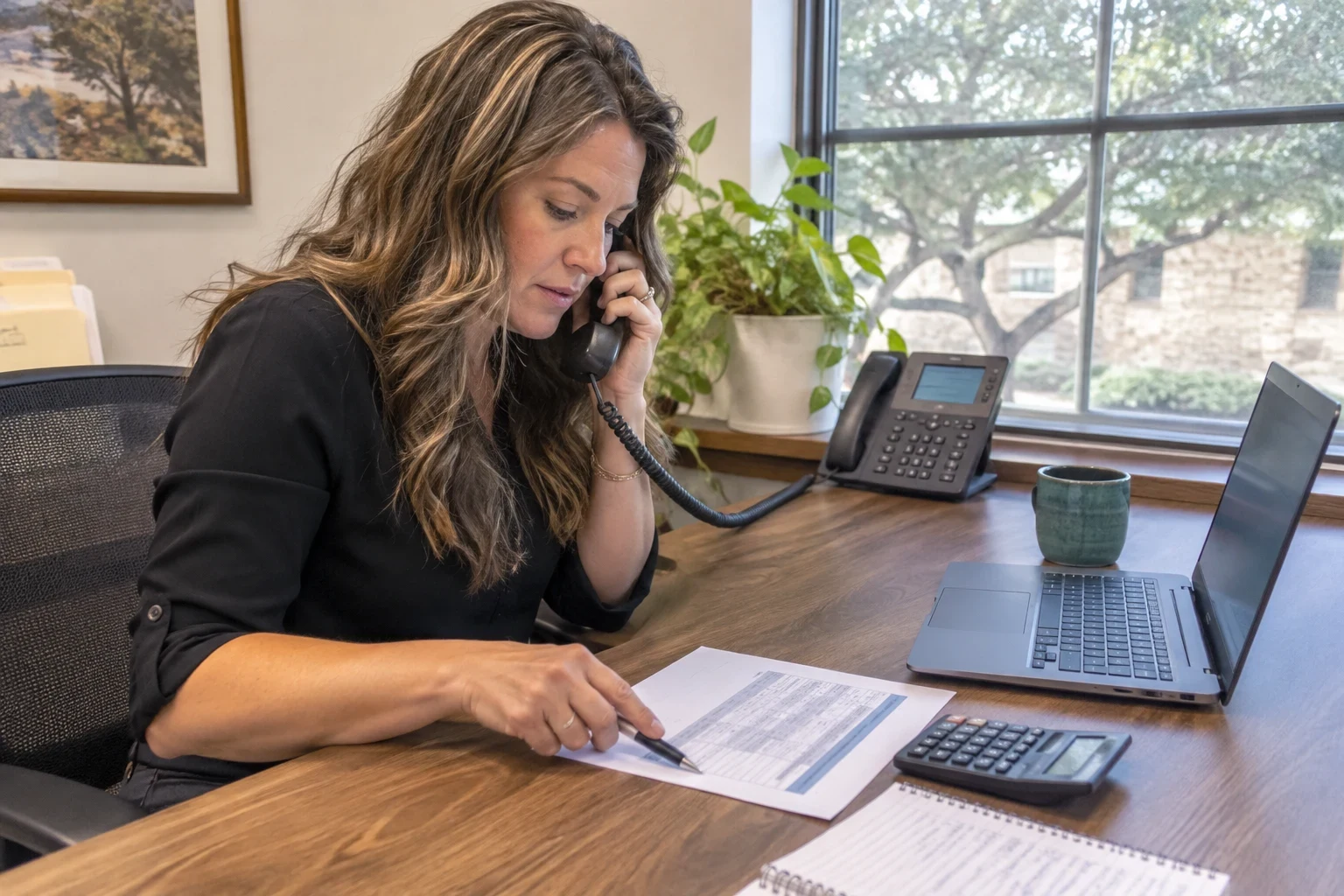
Yes. Share a few details about the property, your credit and your down payment, and we can quote a rate and walk you through the payment. If you are ready, we can begin pre-qualification or the full application during that same call.
Find Out Where You Stand
A short conversation tells you which loan fits, what rate to expect and what it will cost to close. No pressure, just clear numbers.